For most people, a workday doesn’t include surprising a beloved teacher on national television or producing live coverage from the Queen of England’s Jubilee in London. But for Sean Sanders (’19), a producer at Good Morning America, it’s all in a week’s work.
As a producer on ABC News’ flagship morning show, he’s part of the Field & Series division—developing and crafting the kinds of powerful, visual stories that stay with viewers long after they air. “That’s one of the most exciting parts of the job—no day is the same,” Sanders says. “One day you’re in a small town honoring a community hero. The next, you’re covering a breaking trial or editing overnight with a correspondent.”
Sean’s love for journalism began at just 12 years old, after reading a profile about his mother, an HIV-positive health advocate who was featured after opening a community health organization. “I remember the sense of pride I felt reading it,” Sanders remembers. “It was an emotion that taught me the power of storytelling.”
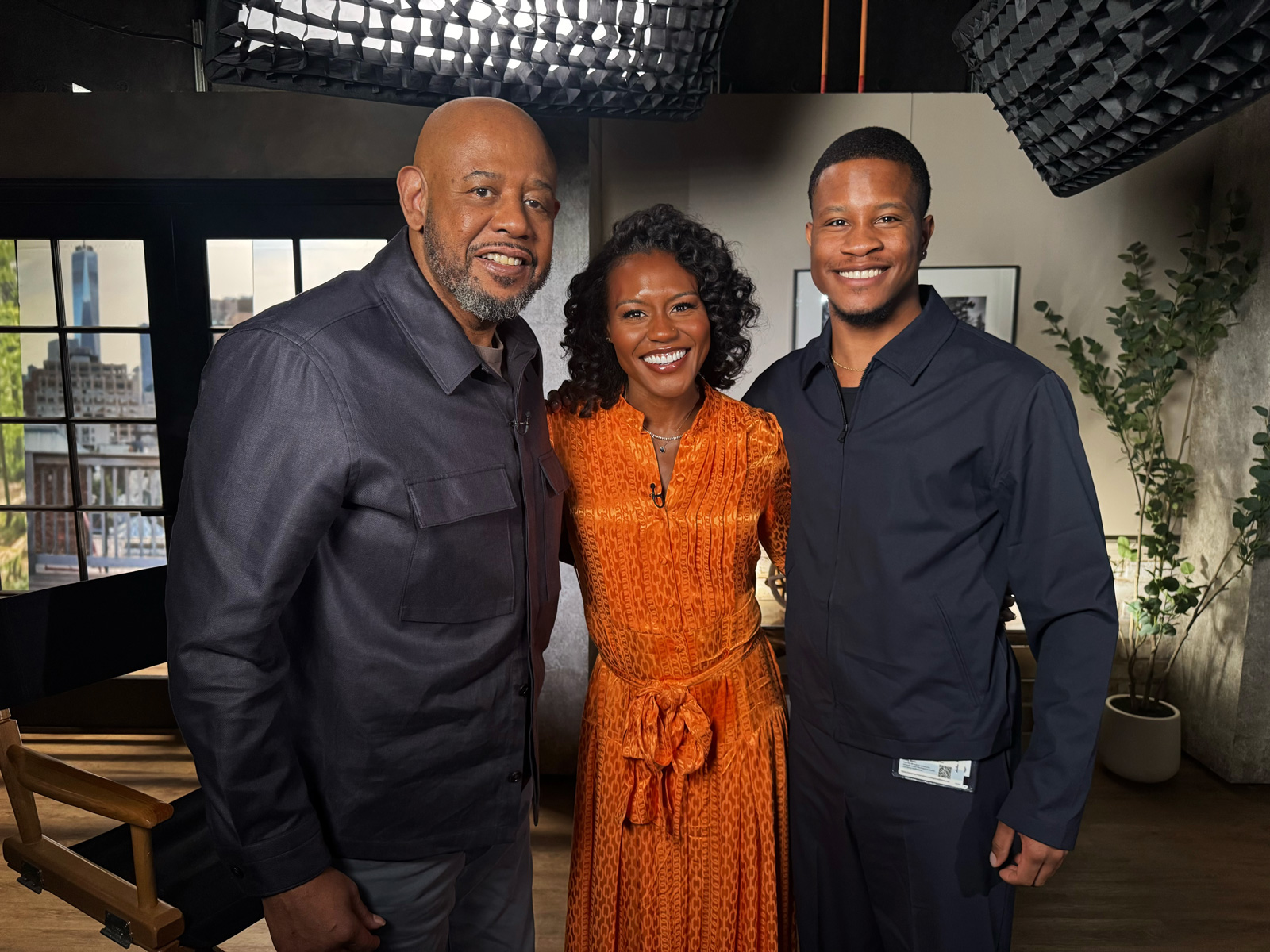
Sanders carried that passion with him to Newmark J-School, where he recalls being both daunted and inspired during his very first reporting assignment in Craft 101 with professor Lisa Armstrong. But when he walked out of that first day, he left “knowing I was in the right place to study and advance my craft, a place that pushes you to ask ‘why’ and aim for the heart in every story.”
That lesson stuck with him. One of his proudest projects—a piece on Breonna Taylor produced in 2020—was a pitch to Good Morning America as a production associate. Utilizing a format he picked up from professor Vanessa Bothello, the pitch was greenlit within hours. With just a three-day window to produce, he sprang into action, booking guests, writing the script, and spending long hours in the edit bay ensuring every frame hit the mark. “This was the first story I saw through from start to finish, and on a topic that not only mattered to me, but one that deserved national coverage,” says Sanders.
Sean’s advice to current journalism students? “Go where you’re a sponge,” he says. In your early career, “you always need to position yourself in the room where you can absorb the most knowledge.”